Genealogy | Native American | DNA | About Us
Tell A Friend! Family Tree Maker 2010

Genealogy Records

Genealogy
Biographies
Cemetery Records
Census Records
DNA
Family Tree Search
History Books Online
Military Records
Native American Records
Surnames
Vital Records
World Genealogy

US Genealogy

Alabama Genealogy
Alaska Genealogy
Arizona Genealogy
Arkansas Genealogy
California Genealogy
Colorado Genealogy
Connecticut Genealogy
Delaware Genealogy
Florida Genealogy
Georgia Genealogy
Hawaii Genealogy
Idaho Genealogy
Illinois Genealogy
Indiana Genealogy
Iowa Genealogy
Kansas Genealogy
Kentucky Genealogy
Louisiana Genealogy
Maine Genealogy
Maryland Genealogy
Massachusetts Genealogy
Michigan Genealogy
Minnesota Genealogy
Mississippi Genealogy
Missouri Genealogy
Montana Genealogy
Nebraska Genealogy
Nevada Genealogy
New Hampshire Genealogy
New Jersey Genealogy
New Mexico Genealogy
New York Genealogy
North Carolina Genealogy
North Dakota Genealogy
Ohio Genealogy
Oklahoma Genealogy
Oregon Genealogy
Pennsylvania Genealogy
Rhode Island Genealogy
South Carolina Genealogy
South Dakota Genealogy
Tennessee Genealogy
Texas Genealogy
Utah Genealogy
Vermont Genealogy
Virginia Genealogy
Washington Genealogy
West Virginia Genealogy
Wisconsin Genealogy
Wyoming Genealogy

Free Charts

Correspondence Record
Family Group Chart
Family Tree Chart
Free Census Forms
Research Calendar
Research Extract
Source Summary


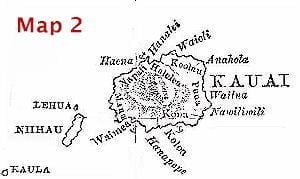
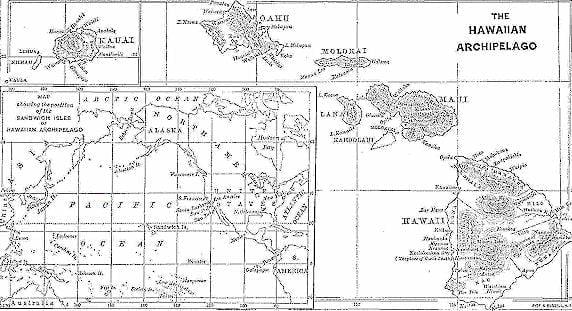
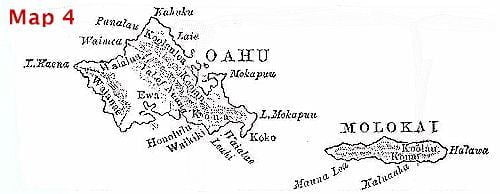
The Hawaiian Archipelago

1
2
3
4
5


Click Numbers for larger view

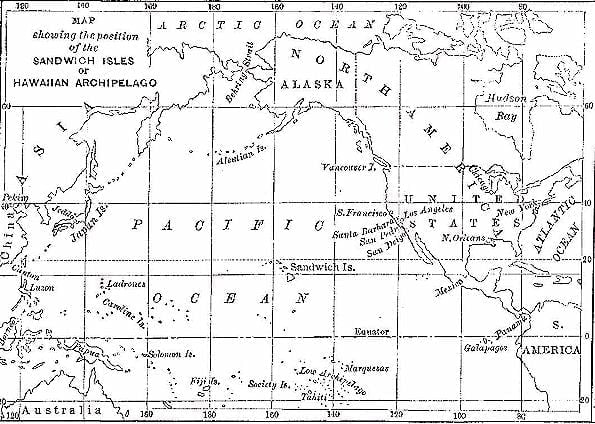
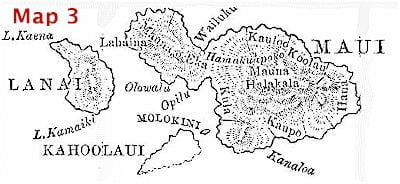
The Hawaiian group consists, as you will see on the map, of eleven islands, of which Hawaii is the largest and Molokini the smallest. The islands together contain about 6000 square miles; and Hawaii alone has an area of nearly 4000 square miles, Maui 620, Oahu (which contains Honolulu, the capital) 530, and Kauai 500. Lanai, Kahoolawe, Molokai, Niihau, Kaula, Lehua, and Molokini are small islands. All are of volcanic origin, mountainous, and Hawaii contains the largest active crater in the world—Kilauea—one of the craters of Mauna Loa; while Maui contains the largest known extinct crater, Haleakala, the House of the Sun—a pit thirty miles in circumference and two thousand feet deep. Mauna Loa and Mauna Kea are nearly 14,000 feet high, as high as Mount Grey in Colorado; and you can not ride anywhere in the islands without seeing extinct craters, of which the hill called Diamond Head, near Honolulu, is an example.
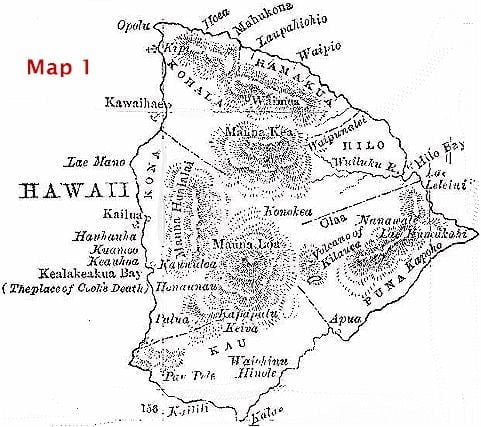
Hawaii

Kauai

Maui

Oahu

Position of Sandwich Islands

Back to: The Sandwich Islands


Notes About Book:

Source: Nordhoff, Charles.
Northern California, Oregon, and the Sandwich Islands. Harper and Brothers, Publishers, 1875.

Online Publication: This book has been scanned, ocr'd and thoroughly vented for errors.

This book includes some historical materials that may imply negative stereotypes reflecting the culture or language of a particular period or place. These items are presented as part of the historical record and should not be interpreted to mean that the WebMasters in any way endorse the stereotypes implied.

 GenealogyHawaii Genealogy  | Hawaii, The Sandwich Islands


Genealogy Websites

Other Websites

Special Offers

Family Tree Maker 2010

Get the New FTM 2010 software for 20% off! Use the link above!!!

Access Genealogy is the largest free genealogy website not owned by Ancestry. As such, it relies on the revenue from commercial genealogy companies such as Ancestry and Footnote to pay for the server and other expenses related to producing and warehousing such a large collection of data. If you're considering joining either of these programs, why not join from through the links above, and help support free genealogy online!

Copyright 1999-2009, by Access Genealogy.com
A project by Webified Development